Digital Marketing
29 Jan, 2026


Our Blog Details
Home / Our Blog Details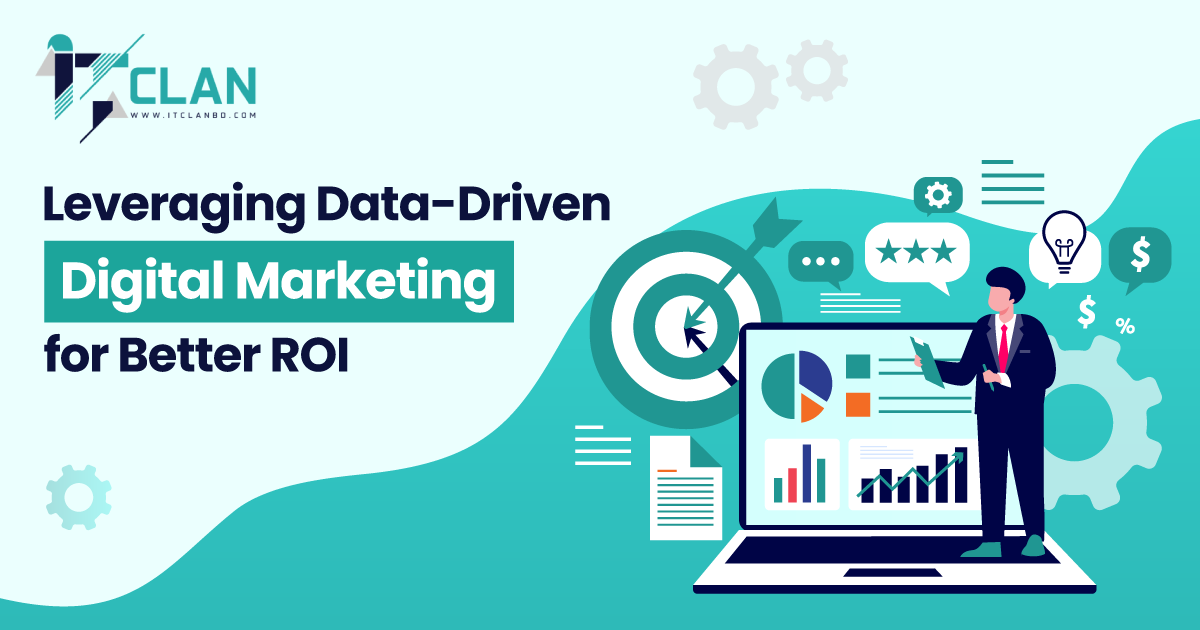
Digital marketing is no longer about guesswork. Businesses today want clear results. They want to know what works, what does not, and where their money is going. This is where data-driven digital marketing changes the game.
Instead of relying on assumptions, data helps you make smarter decisions. It shows you how people behave, what they like, and why they convert. When used correctly, data helps you improve ROI without wasting budget.
This blog will walk you through how data-driven digital marketing works, why it matters, and how you can use it to get better returns. Everything is explained in a simple, friendly way so you can apply it easily.
Data-driven digital marketing means using real data to plan, run, and improve marketing campaigns. Instead of guessing, you look at numbers, trends, and user behavior. It helps marketers understand their audience better. You know where visitors come from, what content they like, and what makes them take action.
Key data sources include:
When all this data works together, marketing becomes more focused and effective.
Traditional marketing often depends on broad targeting and gut feeling, while data-driven marketing is built on accuracy and real evidence. Instead of guessing, decisions are made using performance data, campaigns are adjusted in real time, and results are clearly measured. This approach helps businesses understand what actually works and improve outcomes continuously.
To strengthen this strategy even further, improving search visibility is crucial. A strong SEO foundation ensures your data-driven efforts attract the right audience, and you can explore proven ways to do that in our guide on boosting SEO rankings and getting more traffic.
Customers today have many choices. If your marketing feels irrelevant, they move on quickly. Data helps you stay relevant. It allows you to send the right message to the right person at the right time. This improves engagement and builds trust.
Data also helps you:
Without data, marketing becomes expensive and unpredictable.
Understanding ROI in digital marketing is simple. ROI means return on investment, or how much value you get from the money you spend. In digital marketing, ROI can show up as more leads, increased sales, higher conversion rates, or a lower cost per lead. By using data, you can clearly track these results, see which campaigns are delivering real value, and identify which ones need improvement.
A strong marketing strategy starts with clarity, and data provides exactly that. Instead of relying on assumptions, data helps you understand what your audience actually wants and how they interact with your brand. A strong strategy is built on insights, not assumptions. Data shows patterns that are not visible on the surface. For example, you might notice:
These insights help you refine your strategy step by step. Over time, your marketing becomes more efficient and profitable.
Not all data is useful, so it’s important to focus on metrics that directly support your business goals. Tracking the right numbers helps you understand how users interact with your campaigns, where your budget is going, and which efforts are actually generating returns. Instead of chasing vanity metrics, these indicators give you clear, actionable insights.
Important digital marketing metrics include:
By consistently tracking these metrics, you keep your marketing efforts aligned with ROI, make smarter decisions, and optimize campaigns for sustainable growth.
Understanding where your data comes from is essential for making better decisions.
Website analytics tools help you understand how users interact with your site. You can see where they come from and what they do. Analytics helps you identify:
With this data, you can improve user experience and increase conversions naturally.
Behavior data reveals what users actually do, not just what they say. Instead of relying on assumptions or feedback alone, this data shows actual actions and engagement patterns. Behavior data reveals what users actually do, not just what they say.
Important behavior metrics include:
This helps businesses understand buyer intent clearly.
Content works best when it solves real problems. Data helps you understand what your audience is searching for. When content matches user intent, it drives organic traffic and builds authority over time. You can use data to:
When content strategy and visibility work together, results improve faster. You can learn how this balance creates long-term growth in our guide on how SEO and digital marketing work together to drive online success.
Paid advertising works best when every decision is backed by real performance insights. Data allows you to understand what’s working, what’s wasting budget, and where improvements are needed. Paid ads become powerful when backed by data. Instead of spending blindly, you optimize continuously.
Data helps you:
This data-driven approach leads to lower costs, better ad efficiency, and higher conversion rates across all advertising platforms.
Email marketing delivers one of the strongest ROIs when it’s guided by data, not guesswork. By understanding subscriber behavior and preferences, businesses can send messages that actually matter to their audience. Data helps you personalize communication and make every email more relevant.
With data, you can:
Personalized emails feel more human, build trust, and help create long-term relationships with your audience.
Social media platforms offer a wealth of data that reveals how your audience interacts with your content. When used correctly, these insights help you move beyond guesswork and build a strategy that truly connects with your followers. Social media data should guide both your content creation and promotion efforts.
Useful insights include:
By using these insights, you can grow your audience organically, create more engaging content, and run better-performing paid social campaigns.
Every customer follows a path before making a purchase, and data helps you see that journey clearly from start to finish. Instead of guessing where users drop off or hesitate, data shows how they interact with your brand at each stage. This clarity allows you to design experiences that guide customers smoothly toward conversion.
You can track:
By understanding the full customer journey, you can remove friction points, improve touchpoints, and deliver a more seamless and satisfying experience overall.
Today’s customers expect experiences that feel relevant and tailored to their needs. Data makes it possible to deliver this level of personalization at scale, without losing consistency or efficiency. By understanding user behavior, preferences, and intent, businesses can communicate more meaningfully.
Personalization can include:
When done right, personalized marketing feels more human, builds trust, and significantly increases conversion rates.
Predictive analytics takes historical data and transforms it into insights about what’s likely to happen next, helping businesses stay ahead instead of just reacting. By analyzing patterns and trends, you can make informed decisions that improve efficiency and outcomes.
With predictive insights, you can:
This approach turns marketing into a proactive, data-driven process, allowing you to act strategically rather than responding to events after they occur. As digital strategies continue to evolve, predictive analytics is playing a major role in how online businesses grow, which is also explored in our article on how digital marketing is shaping the future of eCommerce.
You do not need complex systems to start. Many tools make data accessible and easy to understand. With the proper tools, businesses can not only gather information efficiently but also turn raw data into actionable insights that drive smarter marketing decisions.
Common tools include:
These tools turn raw data into clear marketing insights. The key is to use tools that match your business size and goals.
Using data incorrectly can harm performance. Many businesses collect data but fail to use it effectively. Avoiding these mistakes saves time, money, and effort.
If you want to protect your growth even further, it’s worth understanding other common pitfalls businesses face. Our guide on digital marketing mistakes to avoid for business growth covers practical insights that help you turn data into smarter decisions instead of costly errors.
Data-driven marketing delivers the best results when approached methodically. By following a clear, step-by-step process, businesses can make informed decisions, minimize wasted spend, and maximize returns.
ITclan BD helps businesses get the most out of their marketing spend with performance-driven digital marketing services. Their approach focuses on planning campaigns based on real data, continuously tracking performance, and optimizing strategies using actionable insights. With transparent reporting and clear ROI measurement, ITclan BD ensures every marketing effort contributes directly to business growth, helping companies reach their goals faster and smarter.
Leveraging data-driven digital marketing is no longer optional. It is essential for businesses that want a consistent ROI. When you use data wisely, marketing becomes clearer, smarter, and more human. You understand your audience better and serve them better.
Start small, track what matters, and improve continuously. Over time, data will help you build stronger campaigns and long-term success.
Conversion rates, cost per lead, customer acquisition cost, and revenue generated are the most important ROI metrics. Tracking these consistently helps you understand which campaigns are truly profitable and where to allocate your budget.
Results depend on strategy and industry, but data-driven optimization often shows improvement within a few weeks. Continuous monitoring and adjustments can accelerate growth and ensure sustained performance.
Yes. Small businesses benefit greatly by avoiding wasted spend and focusing on high-impact strategies. Even limited budgets can achieve strong results when guided by clear data insights.
Google Analytics, Search Console, social insights, and a basic CRM are enough to begin data-driven marketing. These tools provide actionable data that helps small teams make smarter decisions and track ROI effectively.
Quality Is Our Strength
Have you ever wondered why some businesses always seem to appear on Google while also getting plenty of likes, shares, and comments on social media? Here's the thing! They're not relying on...
Running a small business today is more competitive than ever. People search online first before visiting a store or hiring a service, and if your business isn’t visible in local search re...

In today’s software world, DevOps teams face pressure to release updates quickly without sacrificing quality. Traditional deployment methods often slow things down and introduce inconsist...